Golf blogs are a dime a dozen, competing in a niche that’s beloved by millions. Yet, standing out in the crowded field of search engine rankings takes more than just a passion for the sport. One blog, Golfer Geeks, managed to achieve a stunning 190% year-over-year (YoY) organic traffic growth. Let’s dive into their journey to uncover the strategies behind their success and learn actionable tips to boost your website’s performance.
About Golfer Geeks
Founded in 2015 by avid golfer and entrepreneur Jamie Boudreaux, Golfer Geeks started as a passion project. The blog shares equipment reviews, beginner-friendly tips, and apparel recommendations for golfers of all levels. Over the years, it has evolved into a thriving platform, now attracting over 166.8K monthly visits and generating significant affiliate revenue.
Historical Performance

Golfer Geeks experienced modest traffic in its early years, with little organic visibility. Things began to change in 2022, when the blog’s organic traffic totaled 426.3K visits by year-end. By 2023, traffic spiked, surpassing the 1-million milestone in just nine months. How did this dramatic growth happen?
The Catalyst: SEO Strategies That Delivered 190% YoY Growth
Golfer Geeks’ remarkable traffic growth was the result of deliberate, actionable SEO strategies that focused on enhancing user experience, content quality, and technical optimizations. Let’s dive deeper into each strategy and its impact.
1. Content Structure to Improve User Experience
Key Approach
Golfer Geeks understood that user experience (UX) is at the core of successful content. They implemented a structured approach to their blogs, ensuring that every piece of content was:
- Logically Organized: Each blog followed a clear flow, starting with an introduction, detailed sections, and ending with FAQs or conclusions. This made it easy for readers to follow and digest.
- Keyword Optimized: Subheadings were crafted with strategic keyword placement, helping both users and search engines understand the content’s relevance.
- Enhanced with FAQs: Blogs concluded with well-thought-out FAQ sections addressing common user queries. This not only resolved user concerns but also encouraged engagement and conversions by including affiliate links.
Tactical Implementation
The structure of their “Best of” and “Top Picks” lists was a game-changer. For example:
- Product reviews were written in a friendly, first-person tone, making them relatable.
- Subheadings were clear and descriptive, guiding users step by step.
- Bullet points, tables, and multimedia were used to break up long text and maintain visual interest.
Impact
- Higher Engagement: With an average visit duration of 9 minutes and 42 seconds, readers stayed on the site longer, signaling to search engines that the content was valuable.
- Improved Rankings: Well-organized and keyword-rich subheadings helped improve rankings for targeted keywords.
Takeaway for You
To replicate this strategy:
- Break content into clear sections with descriptive subheadings.
- Use tools like AIOSEO or Hemingway Editor to ensure readability.
- Incorporate visual elements such as images, videos, and infographics to enhance user engagement.
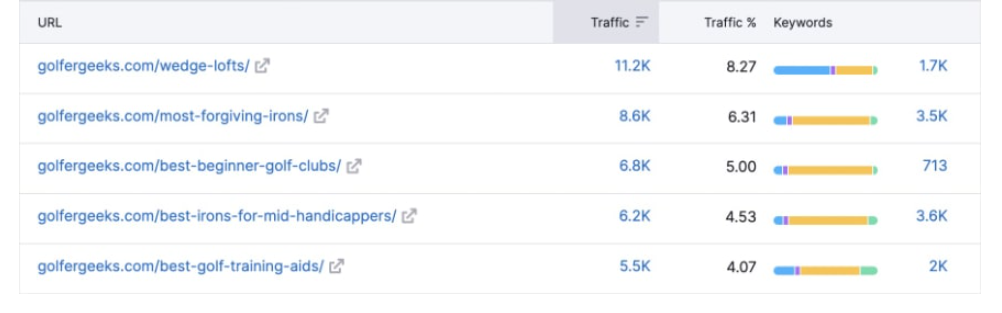
2. Fighting Content Decay Through Updates
Key Approach
Old content on Golfer Geeks wasn’t left to stagnate. Instead, it was actively monitored and refreshed. Updates included:
- Refreshing Product Reviews: Outdated models were replaced with newer ones, keeping the content relevant for current users.
- Updating Metadata: Titles and headers were updated to reflect the current year (e.g., changing “2022” to “2023”).
- Adding New Value: FAQs were expanded, new insights were added, and content was revised to align with updated search intent.
Tactical Implementation
Golfer Geeks tracked content performance regularly:
- They used tools like Google Analytics and AIOSEO’s Content Performance Report to identify slipping content.
- When a blog’s traffic or rankings began to decline, they revisited the page and improved it with fresh data, updated products, and better formatting.
Impact
- Sustained Traffic: Regular updates prevented ranking drops caused by Google’s preference for fresh content.
- Improved Search Intent Alignment: The updates ensured that content stayed relevant to what users were actively searching for.
Takeaway for You
To implement this strategy:
- Monitor Content Performance: Use tools like Google Search Console or AIOSEO to track rankings and traffic trends.
- Schedule Annual Updates: Create a content calendar to revisit posts at least once a year.
- Focus on Search Intent: Ask, “What do users want now?” and adjust your content accordingly.
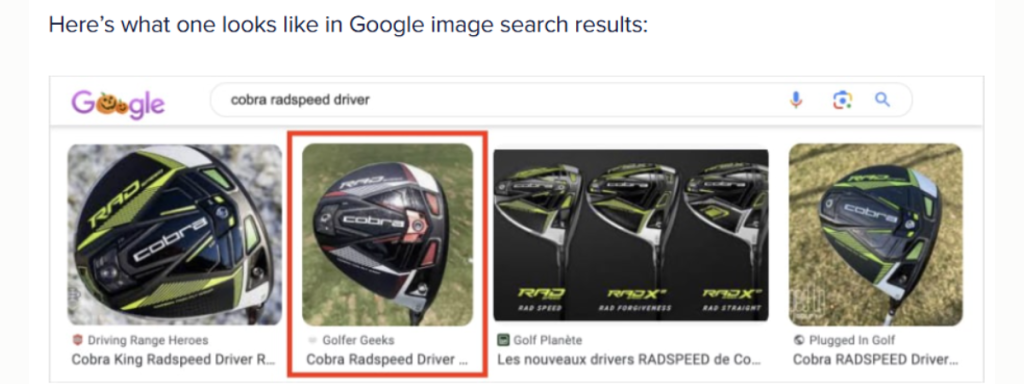
3. Optimizing Images for Search Engines
Key Approach
Images were a pivotal part of Golfer Geeks’ SEO strategy. By optimizing images, they drove significant traffic from Google Image searches, which often goes untapped.
Key optimizations included:
- SEO-Friendly File Names: Image files were named descriptively, using keywords (e.g., “best-golf-driver-2023.jpg”).
- Alt Text Optimization: Alt text included primary keywords and accurately described the image.
- Schema Markup: Images were enhanced with schema to improve their chances of appearing in rich results.
Tactical Implementation
Golfer Geeks used tools like the AIOSEO Image SEO feature to automate alt text and title tag optimizations. They also ensured:
- Fast Load Times: Images were compressed without losing quality.
- Visual Appeal: High-quality, engaging visuals were used to captivate users and boost time on page.
Impact
- 164.8% Growth in Image Search Keywords: They went from 5.4K to 14.3K keywords in Google image rankings within a year.
- Increased Organic Traffic: Image search became a significant source of additional visitors.
Takeaway for You
To optimize images on your site:
- Use tools like TinyPNG for compression.
- Add alt text that is descriptive and includes keywords.
- Implement image schema for better search visibility.
4. Implementing FAQ Schema
Key Approach
Golfer Geeks strategically used FAQ schema to appear in Google’s People Also Ask (PAA) section, a prime spot on the search engine results page.
Tactical Implementation
Here’s how they aced FAQ schema:
- Added FAQ Sections: Relevant, well-researched questions and answers were included at the end of blogs.
- Implemented Schema Markup: Using structured data, they coded FAQs in a way that Google could easily understand and display them as rich results.
Impact
- Increased Visibility: Golfer Geeks appeared in prominent PAA sections, driving additional traffic.
- Improved Credibility: Being featured in PAA results associated their blog with trustworthy content.
Takeaway for You
To implement FAQ schema:
- Add an FAQ section to your articles.
- Use tools like AIOSEO Schema Generator or Google’s Structured Data Markup Helper to add schema markup to your website.
- Test your schema implementation using the Google Rich Results Test tool.
Top SEO Wins
Golfer Geeks’ success was also supported by some standout techniques:
- RSS Feed Optimization: Using an RSS feed helped search engines quickly discover and rank updated content.
- Long-Tail Keyword Focus: Strategic keyword usage in niche topics allowed them to dominate less competitive search terms.
Lessons to Learn: What to Emulate and Avoid
Top 3 Strategies to Follow
- Combat Content Decay: Regular updates prevent rankings from slipping and keep your content relevant.
- Prioritize Image SEO: Optimize your images to rank in Google image searches and drive additional traffic.
- Use FAQ Schema: Leverage structured data to win rich snippets and increase visibility in PAA sections.
Top 3 Mistakes to Avoid
- Neglecting Metadata: Ensure your meta titles and descriptions fit within Google’s character limits to avoid truncation.
- Ignoring 404 Errors: Redirect broken links to avoid losing traffic and frustrating users.
- Abandoning Social Media: Consistent social media activity amplifies content reach and drives engagement.
Your Actionable Checklist
To replicate Golfer Geeks’ success, here’s a simple checklist:
- Write user-focused, well-structured content.
- Regularly update your content to align with evolving search intent.
- Optimize images with SEO-friendly tags and schema.
- Use FAQ schema to capture PAA results.
- Monitor your website’s performance metrics to identify improvement opportunities.
We received assistance from AIOSEO to create this case study. We made it more creative and informative for you. If you have any questions about this review or are interested in publishing your successful marketing case study, please drop us a message.
You can also read: How an £80M Monthly Fashion Store Grew Revenue by 22% in Just 12 Months Through SEO

![Marketing Automation Case Study: 12 Real Examples, Strategy & ROI Results [2026]](https://marketingcasestudy.io/wp-content/uploads/2026/05/marketing-automation-case-study-featured-768x403.png "Marketing Automation Case Study: Real Examples, Strategy & ROI Results [2026] 6")